
Most South African drivers don’t understand fuel vapours.
Most drivers in South Africa never handle their own fuel. An attendant fills the vehicle. The driver stays inside. The process feels routine, controlled, and safe.
Drivers don’t always:
- Switch off the ignition
- Avoid Using Electronics
- Understand how flammable petrol vapours actually are
Fuel Vapors:
The Everyday Risk You Don’t See
Every South African driver has smelled petrol while filling up. That smell is fuel vapor, a mix of gases that form when petrol evaporates. These vapors include volatile organic compounds (VOCs) like hydrocarbons, benzene, toluene, ethylbenzene, and xylene (BTEX).
Did you know?
Just one litre of petrol can expand into over 200 litres of vapor, making containment critical.
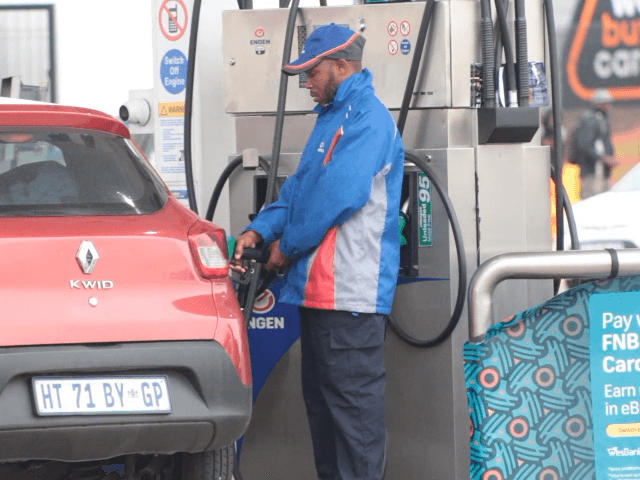
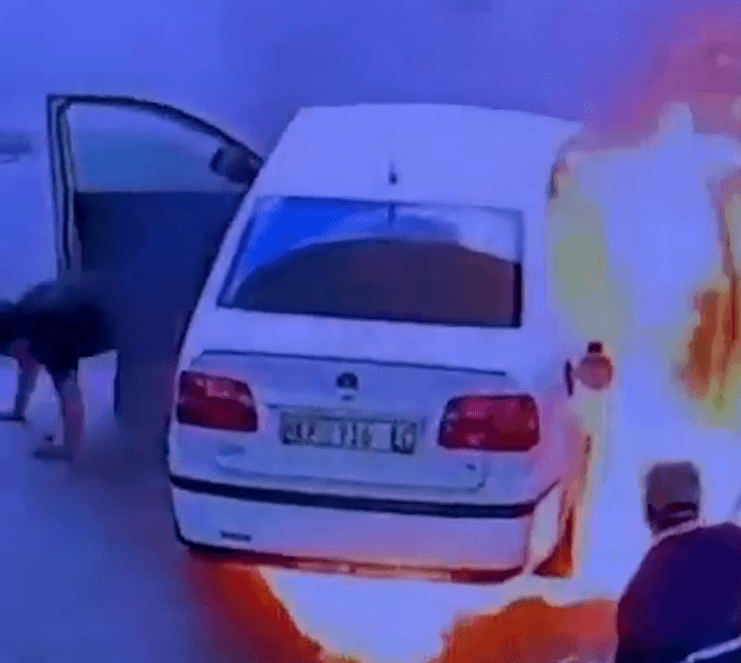
Real incident: vapour ignition at a petrol pump. A routine moment escalates in seconds.
Petrol doesn’t burn first:vapours do.
When fuel evaporates, it mixes with air. In the right conditions, a single spark is enough to ignite that mixture instantly. What looks like a small mistake can escalate in seconds.
- Static electricity
- Running engines
- Open flames or cigarettes
This is why petrol stations are not just built, they are engineered.
Every element, from tank sealing to venting systems, is designed to prevent vapour build-up and uncontrolled ignition.
This is where Theta Projects delivers.
How to Stay Safe Around Fuel Vapours
Fuel vapours are part of everyday refuelling but small actions significantly reduce risk.
- No smoking, vaping, or open flames
- Avoid overfilling (“topping up”)
- Keep children and pets clear of pumps
- Report strong petrol smells immediately
Fuel Vapours Are Also Lost Revenue
Fuel evaporation can account for 0.1–0.5% of total fuel throughput depending on conditions.
On a high-volume site like Katherine Street, pumping 3–4 million litres annually:
- 3,000 – 20,000 litres lost per year
- ±R63,000 – R420,000 in lost revenue
That loss happens with no visible failure.
Across South Africa’s 4,600+ service stations, vapour losses translate into:
- Reduced tax revenue
- Increased operating costs
Globally, fuel evaporation is recognised as a major inefficiency in petroleum supply chains.
Annual Vapour Loss For A Typical Site
3,000 – 20,000 litres p/year
R63,000 – R420,000 p/year
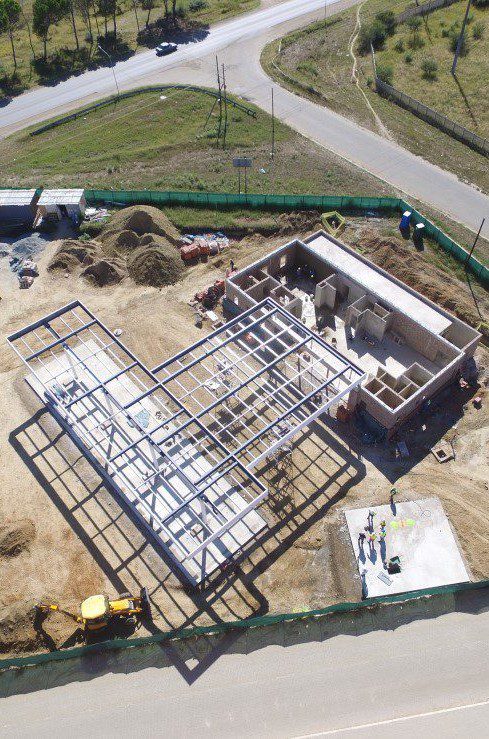

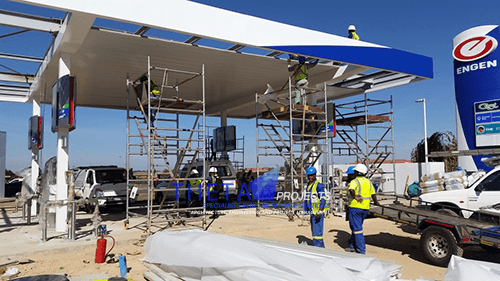
Your Reliable Partner in Project Delivery
Theta Projects is a leading project management, architecture, and cost management firm operating across South Africa and specialising in Retail Fuel Stations. With over 20 years of industry experience and more than 500 successful projects, we offer tailored solutions in Gauteng, Western Cape and KwaZulu-Natal and all over South Africa.
Successful Projects
We have successfully completed over 500 projects, leaving a long trail of happy and satisfied clients.